AgeTech Innovation.
Real world adoption.
Equity and ethics by design.
Practical, evidence-informed keynotes & strategy consulting for AgeTech and digital health leaders to build solutions that are adoptable, ethical, and inclusive for older adults, caregivers, and people with disabilities.
Aging Advocate • Knowledge Broker • TEDx Speaker • Community Builder • Advisor
Where I Drive Impact
AgeTech Companies
You’re navigating: inconsistent adoption, caregiver engagement, buyer complexity, pilots that stall
I help with: Go-to-market, adoption strategy, evaluation, implementation plan, positioning + narrative, stakeholder alignment
AI in Digital Health & Aging
You’re navigating: risk, bias, trust, consent, procurement scrutiny, workflow disruption
I help with: responsible use cases, governance principles, evaluation metrics, “do no harm” implementation, change management
Social Justice & Advocacy Orgs
You’re navigating: translating lived experience into action, limited capacity, & complex systems
I help with: impactful framing, policy + systems storytelling, inclusive program design, equity-by-design guidance, community engagement.
HR & People Leaders
You’re navigating: caregiver strain, retention risk, aging workforce needs, benefit underuse.
I help with: caregiver-support strategy, inclusive policies and benefits, manager enablement, and practical communications
Services


Advisory and Consulting
Advisory for healthcare, agetech, and digital health organizations looking to scale in aging and caregiving. I help teams align product, workflows, and partners to drive adoption; and build responsible AI approaches with clear use cases, safeguards, evaluation, and trust-building communication. We design for integration with existing care models, funding mechanisms, and day-to-day operations.
Keynotes and Events
A comprehensive keynote speaking engagement designed to deliver impactful insights on aging, caregiver advocacy, and age-tech.
Signature topics:
Anatomy of the Ideal Caregiver Intervention
Practical AgeTech: Mapping Use cases, Matching Users, Monitoring Impact
Older Gay Men and Sexual Health
Well-rounded Caregiver Support for Aging in Place
As Featured At
-
Did You Know You Are A Caregiver?
Nov 2024
This talk explores the often-overlooked role of caregiving, revealing that many people may be caregivers without even realizing it. It delves into how caregiving responsibilities emerge naturally within personal relationships and communities, gradually shaping identities and daily lives. By identifying as caregivers, individuals can bridge the gap between societal expectations and caregiving’s demands, accessing vital resources and support to prevent burnout and enhance care quality. This talk encourages self-recognition as a caregiver as a crucial step toward receiving the recognition, support, and resources caregivers deserve.
-
The Impact of Virtual Training Programs on Unpaid Caregivers of Older Adults
Oct 2024
This talk explores the impact of virtual training programs on unpaid caregivers of older adults, challenging the assumption that such programs significantly boost caregiver confidence. Through a scoping review, the research reveals that while caregivers view virtual interventions positively, these programs only modestly improve self-confidence and self-efficacy. Key insights include the need for longer studies to reinforce self-management behaviors, recognition that maintaining self-efficacy amid progressive diseases like dementia is a success in itself, and the importance of including a more diverse set of caregivers—particularly promoting self-identification among male caregivers—to better understand and support caregiver needs.
-
Conceptualizing an Ideal Caregiver Intervention for Optimal Health Outcomes
Jun 2024
This talk explores the essential components of effective caregiver interventions, focusing on how virtual psychoeducational programs can enhance the self-management skills of informal caregivers for older adults. A comprehensive scoping review reveals that the ideal intervention should support caregivers across four core domains:
Health Promotion – encouraging caregiver self-identification and resource awareness, as well as facilitating meaningful engagement with healthcare providers.
Personalized Psychoeducation – developing generalizable caregiving skills through skill-based training and interactive e-learning, fostering adaptability and problem-solving abilities.
Wellness Components – promoting self-care as part of daily routines to enhance fulfillment and reduce caregiver burnout.
Support Systems – providing safe, community-based forums to reduce stress and foster resilience through social support.
By integrating these principles, senior-serving organizations can create holistic, evidence-based interventions that address the unique challenges faced by caregivers, fostering both their well-being and efficacy.
-
Older Gay Men and Sexual Health: Social Justice Perspectives
May 2024
This talk explores the unique challenges faced by older gay men in accessing affirming healthcare and maintaining sexual health. Due to internal and external stigmas, many older gay men experience psychological distress and engage in sexual risk behaviors, often seeking intimacy in clandestine ways. A lack of cultural recognition and LGBTQ+ sensitivity among healthcare providers further complicates their access to necessary care, particularly with the added stigma surrounding HIV.
Key contributing factors include heteronormativity, homonormativity, gender biases, and ageism, which collectively marginalize older gay men and limit access to resources that respect their identities and needs. Recommendations include implementing LGBTQ+ affirming care within healthcare and assisted living facilities, training providers in sensitivity and sexual health education, and establishing community support groups that offer safe spaces for socialization and peer validation. These interventions aim to foster dignity, reduce sexual risk behaviors, and promote holistic well-being among older gay men.
-
The Paradox of Aging with Disabilities: "For the Disabilities System, Aging is a Success"
May 2024
This talk explores the unique experiences and challenges of aging with disabilities and long-term conditions (LTCs), emphasizing the need for an inclusive definition of "successful aging." Traditional standards exclude people with disabilities by idealizing disability-free years, yet adults aging with disabilities define success by resilience—focusing on psychological adaptation, social participation, life meaning, and physical wellness.
Key challenges include accelerated health decline, limited economic and social resources, and the pervasive lack of recognition in media and society. Drawing from Fraser’s Social Justice Framework, the talk advocates for policies that view disability as a social construct, pushing for systemic changes to dismantle ableism. Practical recommendations highlight the importance of tailored healthcare, assistive technology, and universal design to foster accessibility, social inclusion, and overall quality of life for people aging with disabilities.
-
Enhancing the Adoption of Evidence-Based Programs: Lessons from a NORC
May 2024
This talk introduces a framework to boost the appeal and adoption of evidence-based falls prevention programs among older adults in community settings. By focusing on social engagement, personalized and culturally relevant program options, clear health benefits, and community partnerships, policymakers can create engaging, accessible programs. Incorporating incentives, technology, and inspiring success stories further motivates participation, while regular communication keeps interest high. This approach aims to foster an environment where older adults feel supported and excited to engage in falls prevention, enhancing their health and independence.
-
Conceptualizing an Ideal Virtual Caregiver Intervention
May 2024
This talk explores the key components of an ideal caregiver intervention, focusing on strategies to enhance and expand caregiver programs. It highlights the "3M's" framework as a foundation for fostering healthy self-management behaviors among caregivers: Messaging with inclusiveness and self-promotion, strengthening Mastery through skills-based training, and fostering ongoing Motivation. Through this approach, the talk emphasizes structured support systems to empower caregivers and drive the growth of impactful programs.
-
The Anatomy of an Ideal Caregiver Intervention
Mar 2024
This talk explores the essential components of effective caregiver interventions, focusing on how virtual psychoeducational programs can enhance the self-management skills of informal caregivers for older adults. A comprehensive scoping review reveals that the ideal intervention should support caregivers across four core domains:
Health Promotion – encouraging caregiver self-identification and resource awareness, as well as facilitating meaningful engagement with healthcare providers.
Personalized Psychoeducation – developing generalizable caregiving skills through skill-based training and interactive e-learning, fostering adaptability and problem-solving abilities.
Wellness Components – promoting self-care as part of daily routines to enhance fulfillment and reduce caregiver burnout.
Support Systems – providing safe, community-based forums to reduce stress and foster resilience through social support.
By integrating these principles, senior-serving organizations can create holistic, evidence-based interventions that address the unique challenges faced by caregivers, fostering both their well-being and efficacy.
-
The Impact of Virtual Training Programs on the Self-Efficacy of Informal Caregivers of Older Adults
Oct 2023
This talk examines the effectiveness of virtual psychoeducational interventions in enhancing the self-efficacy of informal caregivers of older adults. While such programs show potential to boost caregiver competence and reduce burnout, situational barriers often hinder participation. A review of thirteen studies found that modules covering practical care skills, behavioral management, and self-care had low- to medium-sized effects on self-efficacy. However, limitations included a lack of participant diversity and an absence of long-term data. The findings suggest that extended studies with broader caregiver representation, including those outside healthcare systems, are necessary to fully understand the impact and applicability of these interventions.
-
Sep 2023
This talk examines the challenges faced by informal caregivers of older adults, who often feel unprepared and lack confidence in their caregiving role. Traditional in-person psychoeducation and skills-based interventions are challenging for caregivers to attend due to their unpredictable schedules. This study explores the impact of virtual psychoeducation interventions designed specifically for informal caregivers, assessing how these online programs may enhance caregiver confidence, competence, and adaptability. The findings aim to provide insights into how virtual interventions can offer more accessible, flexible support, ultimately improving the caregiving experience and quality of care for older adults.
-
The role and evolution of digital health
Sep 2020
This talk explores the critical role of technology in transforming healthcare delivery to become more efficient, safe, and universally accessible. It emphasizes how digital health tools—such as telemedicine, electronic health records, and mobile health applications—can bridge gaps in healthcare access, particularly for underserved populations. By placing patients at the center of healthcare innovation, digital health fosters a model that prioritizes individual needs and enhances the quality of care. Drawing on data and real-world examples, the discussion highlights how digital solutions empower both patients and providers, enabling better-informed decisions, improving care coordination, and ultimately driving a more patient-centric and responsive healthcare system.
About Kunal
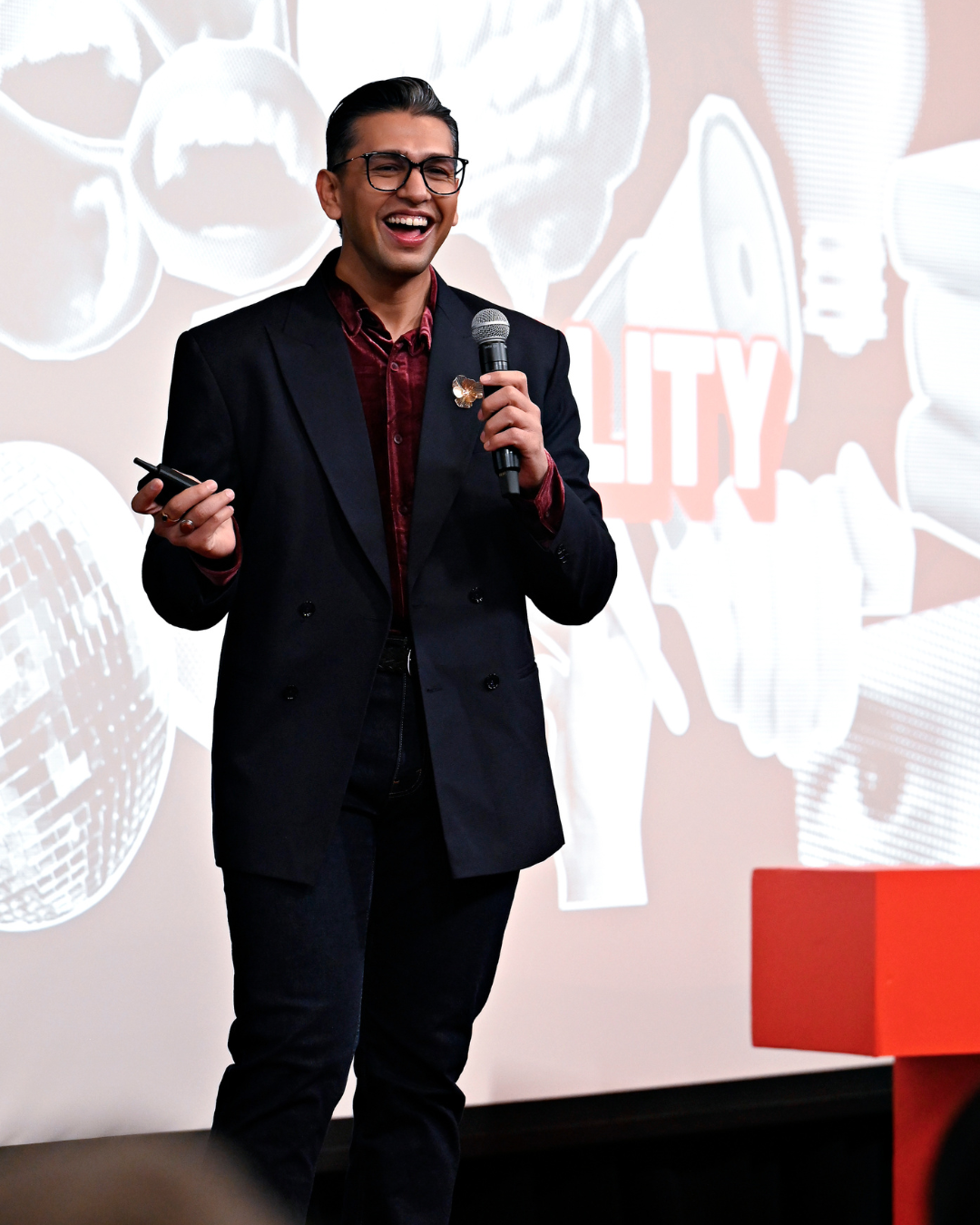
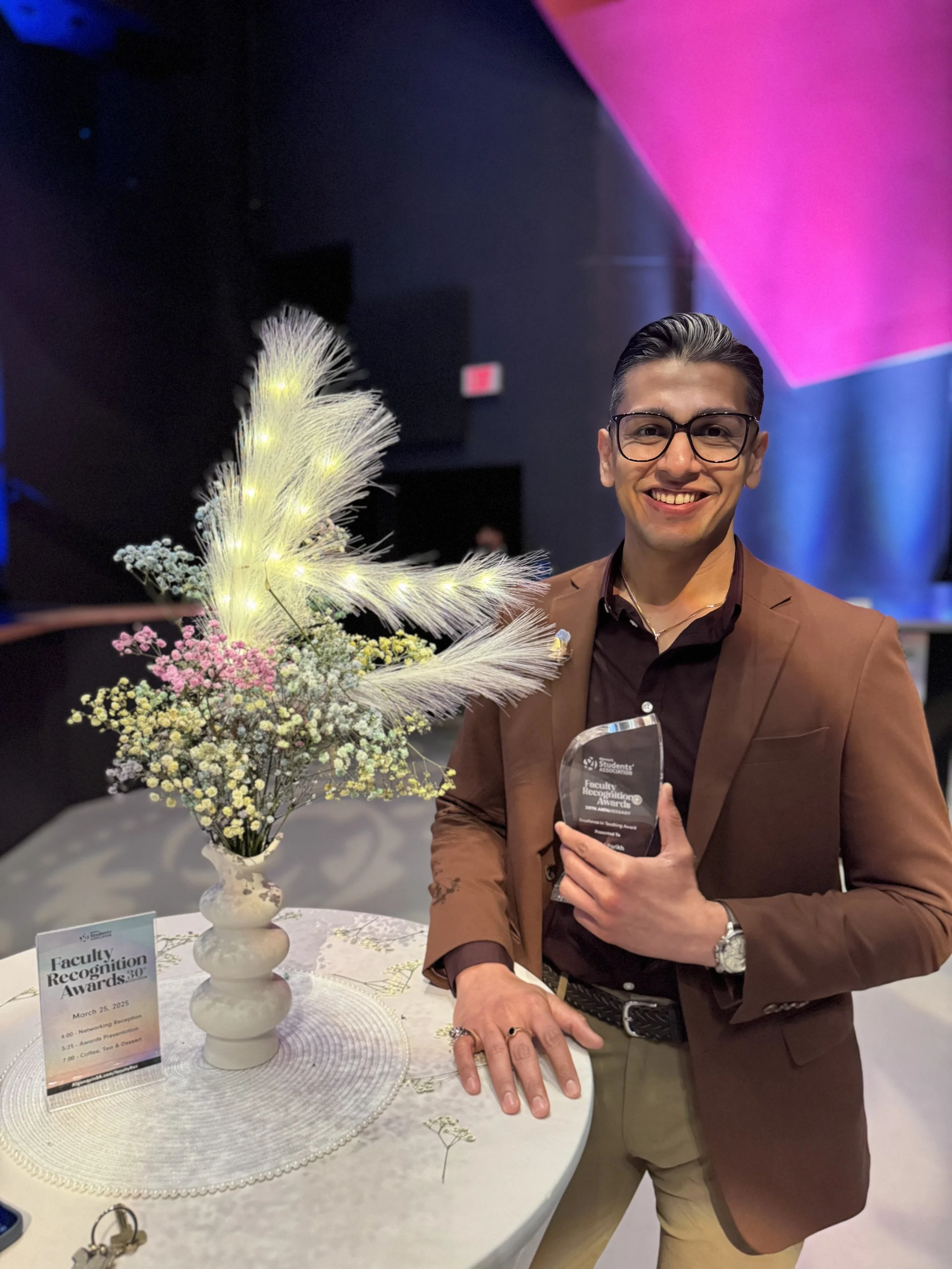
Kunal Parikh is a physician-turned-digital-health-strategist dedicated to transforming healthcare through technology, aging innovation, and caregiver support. Over 8+ years, Kunal has led aging and caregiving initiatives that reshaped healthcare delivery. As the first employee at an agetech startup, he helped scale operations from an MVP to a commercial platform serving 12,000 unpaid caregivers across North America. His research on virtual caregiver training identified a critical gap – many caregivers don’t recognize themselves as such. This led to his TEDx talk, “Did You Know You Are A Caregiver?”. At Queen’s University, Kunal earned the Award of Excellence for his contributions to aging and caregiving research. He designed “The Anatomy of an Ideal Caregiver Intervention”, a workshop guiding age-tech companies in sustainable caregiver program design. He has co-authored “The Digitally Empowered Patient”, a white paper for Digital Health Canada on barriers to digital health access. Currently, he serves as a Senior Systems Analyst at The Ottawa Hospital; and is an Adjunct Professor at Algonquin College, where he teaches digital health innovation. Kunal continues to advocate for policy and technology-driven solutions.

“Kunal’s exceptional problem-solving skills and attention to detail really shined during our collaboration on a federal grant, he was instrumental in the data collection process required by our funders. Kunal’s positive outlook and approach was refreshing every time we met.”
— Crystal P, Former ClientFollow on social


Contact Us
I’d love to work together! Fill out some info and I will be in touch shortly. I can’t wait to hear from you!